The Inca Trail to Chachabamba is one of the least-traveled segments of the famous trekking route to Machu Picchu. Located in the Cusco region of Peru, this approximately 8-kilometer stretch connects the start of the trail with the archaeological site of Wiñay Wayna. Along the way, hikers enjoy impressive landscapes, diverse flora, and remnants of ancient cultures. The altitude, ranging between 2,600 and 3,000 meters above sea level, provides a unique experience, though it is important to be prepared for changing weather and moderate physical demands.
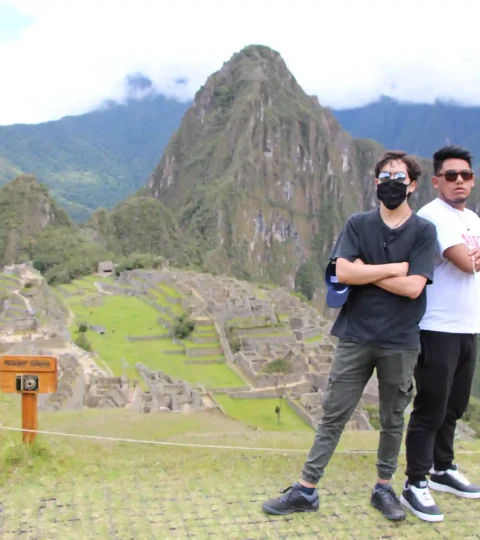
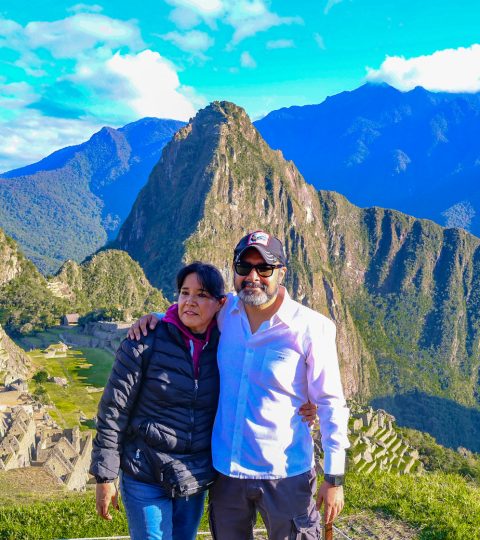
This remarkable attraction is found amid beautiful, towering green mountains with priceless views, sitting at 6,995 feet (approximately 2,132 m) above sea level — at an elevation where clouds drift right before the hikers’ eyes.
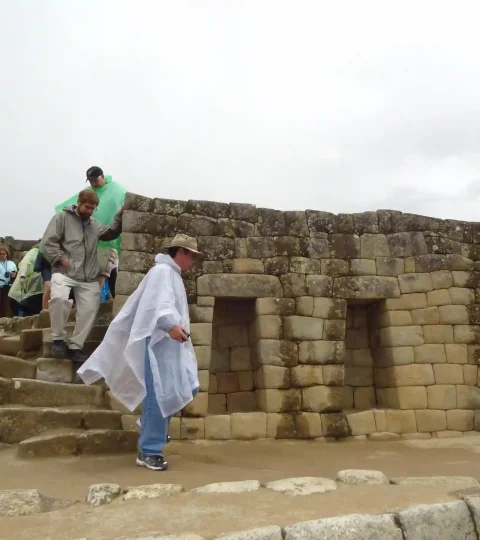
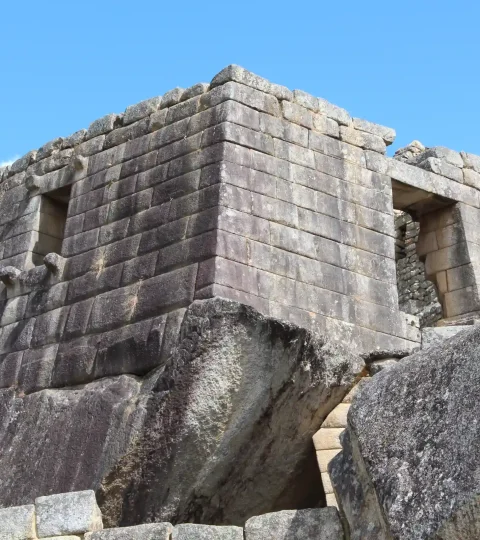
The Incas were highly skilled builders, capable of integrating a citadel seamlessly into the shape of the mountains. Chachabamba is no exception — built on a hilltop from which people could survey the entire valley. Although most of the site rests on a flat surface, there are fascinating structures that follow the curved contours of the mountain. As with all Inca sites, everything is carefully planned, and the layout is efficient and functional.
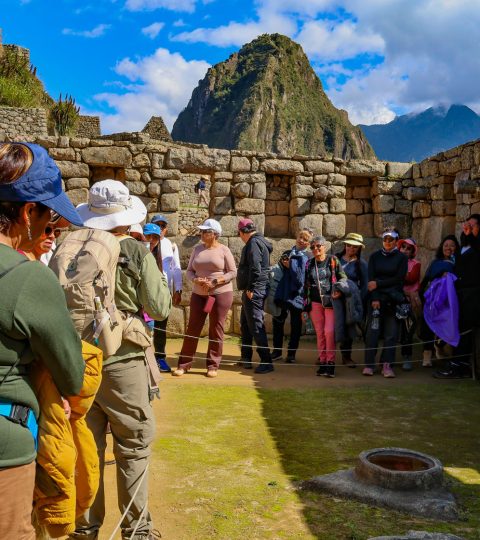
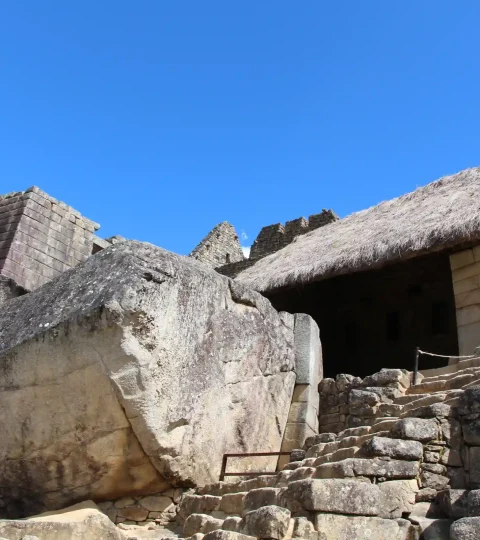
Chachabamba contains two types of architecture: imperial Inca structures and domestic types. Based on the architectural style, layout, and distribution, it was likely a religious center where the Incas performed ceremonies dedicated to Mother Nature — particularly to the mountains. At the center of the construction is a beautiful plaza featuring a finely carved altar set into natural rock. Just a few meters away are several ceremonial water baths, likely where Inca pilgrims took a purification shower to cleanse the soul before arriving at Machu Picchu.
The Chachabamba area is a very fertile valley, an ideal place for growing food and tropical and subtropical plants — particularly sweet potato, cassava, and medicinal plants.
The ruins of Chachabamba were discovered in 1940, located along the traditional Inca Trail that followed the course of the Urubamba River at a subtropical altitude of 2,171 m above sea level in the region known as the Antisuyo. Based on the construction style and architectural order, Chachabamba is also believed to have been built for important religious purposes.
The name of this archaeological site has slight variations in Quechua. “Chachabamba” is said to derive from two words: “Chacha,” meaning rash or mosquito bites caused by insects living in the valley, and “Bamba,” meaning valley or place — giving the combined meaning of “Valley of Mosquito Bites.”
Another, more poetic theory translates it as “Valley of the Origin of Waters,” derived from the onomatopoeic sounds of nature in Quechua — where the syllables “Cha…cha…” evoke the sound of water falling over cascades.
Current archaeological and historical research suggests that the site was built for one of two main reasons: first, as a military fortification to control access to the area near Machu Picchu — the private retreat of the emperor and his court; second, as a religious complex for the worship of water, which was a central deity for the Incas given the essential importance of agriculture for their survival.
The site also served as a checkpoint for those heading to the Machu Picchu sanctuary. The Inti Punku (Sun Gate), the entrance to Machu Picchu, was similarly watched over by elite soldiers.
The climate at Chachabamba is generally warmer and sunnier than in Cusco and at higher altitudes. The ruins sit at approximately 7,053 feet (2,150 m) above sea level.